Category: Uncategorized

  • Effect of global change drivers on carbon fluxes and resilience of European forests

    Effect of global change drivers on carbon fluxes and resilience of European forests

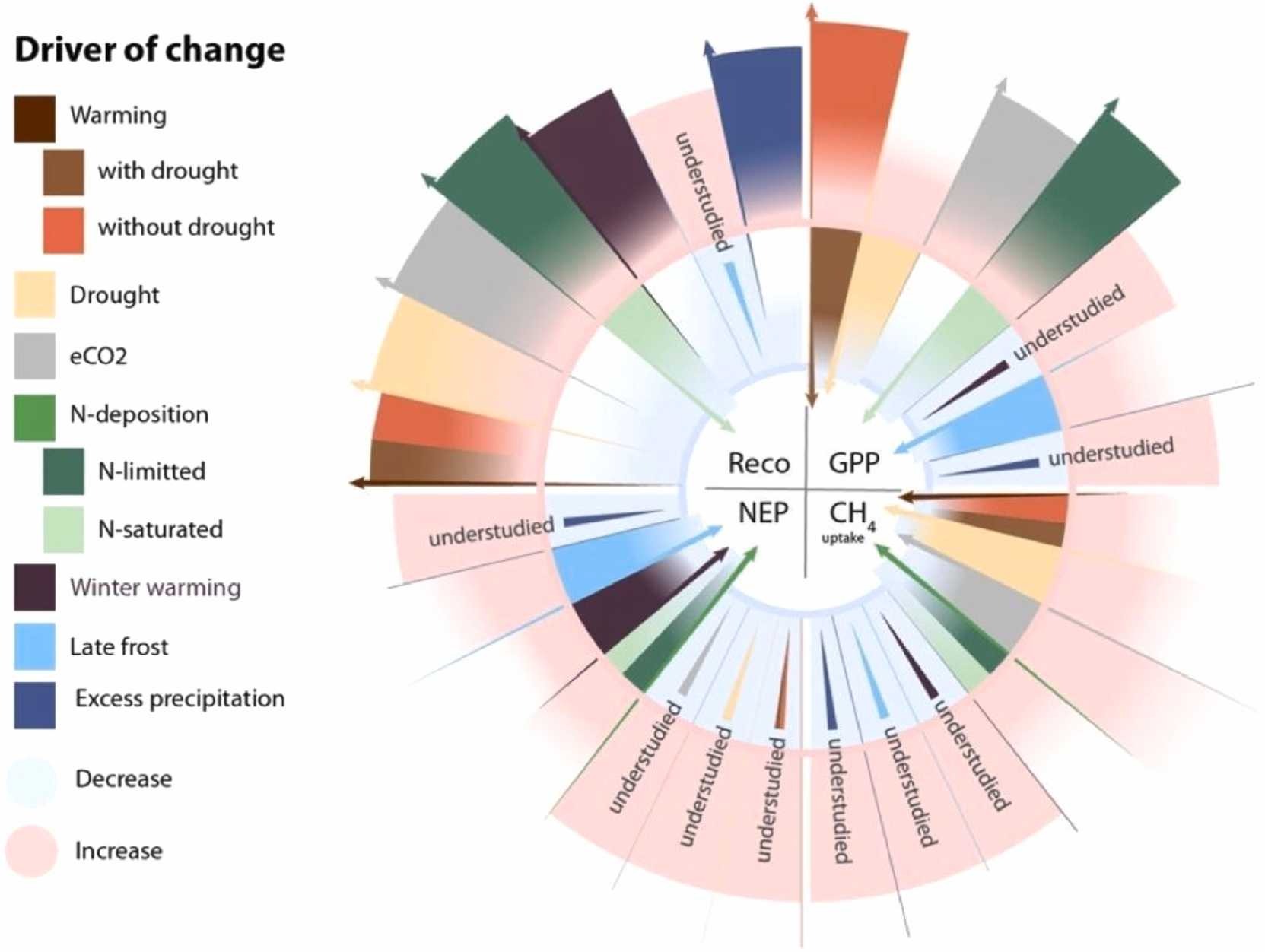
    Conceptual synthesis of response of C fluxes to global drivers of change. Red color marks the increasing response, and blue color marks a decreasing response. Bar sizes are illustrative and represent the relative direction and perceived magnitude of responses, not quantitatively derived values.

    Cite research as:
    Gharun, A., Angove, C., Migliavacca, M., Zhou, Y., Buckeridge, K., Branquinho, C., Collalti, A., Nybakken, L., Zhiyanski, M., Sarginci, M., Koc, I., Donmez, A. H., López-Ballesteros, A., Godbold, D., Machacova, K., Guidi, C., Koren, G., Ostonen, I., Sell, M., Pers-Kamczyc, E., Kamczyc, J., Aslan, T., Preece, C., Prikaziuk, E., Özkan, U., Vitali, V., Havrdová, A., Grünzweig, J. M., Tomelleri, E., Ullah, S., Stoeva, L., Nestola, E., Vanguelova, E., Guerrieri, R. (2026). Perspectives: Effect of global change drivers on carbon fluxes and resilience of European forests. Forest Ecology and Management, 616, 123844. https://doi.org/10.1016/j.foreco.2026.123844

    Excited to share our new review paper on “Effect of global change drivers on carbon fluxes and resilience of European forests”, co-authored by our team member Alena Havrdová. In this paper we synthesise current knowledge on how global change drivers (e.g., elevated CO2, drought, heatwave, nitrogen deposition, and understudied extremes) affect forest carbon fluxes (CO2 and CH4) and resilience. We identify key knowledge gaps and discuss priorities for future research and monitoring.

    Key messages from the paper:

    🌍 Forest responses to climate extremes are becoming more complex and less predictable
    📉 Forest dynamics are shaped by interacting global change drivers, making single-driver assessments insufficient for predicting ecosystem responses
    🔎 Understanding forest resilience requires long-term observations that capture the dynamic feedbacks among ecophysiological processes, soil biogeochemistry, and disturbance regimes.

    Read the full paper developed as part of CLEANFOREST COST Action, here:
    https://www.sciencedirect.com/science/article/pii/S0378112726003427

    Abstract: European forests play a central role for meeting the EU’s climate targets, but the declining carbon sink has left them trailing behind climate goals. Reversing this trend requires a systematic understanding of forest responses to shifting global change drivers, explicitly integrating aboveground and belowground processes. Here, we provide our perspective on the effects of multiple global change drivers on ecosystem-scale carbon fluxes (including both carbon dioxide (CO2) and methane (CH4)) and the resilience of these fluxes, based on direct flux observations (e.g., from eddy covariance towers). First, we present changes in several key drivers (warming, drought, atmospheric CO2, nitrogen deposition, winter warming, excess precipitation, late frost), over recent decades, some of which (winter warming, windthrow, excess precipitation, late frost) have received limited attention in forest carbon assessments. Some of these—such as winter warming—are expected to become increasingly frequent in the future. We then explicitly summarize how the four (more-frequently studied) key drivers affect carbon fluxes (i.e., CO2 and CH4 fluxes). The response of the net CO2 sink (i.e., net ecosystem productivity) is presented through its two component processes: gross primary productivity (GPP) and ecosystem respiration (Reco). When considered individually, global change drivers often produce relatively predictable responses in forest carbon fluxes: warming tends to enhance both GPP and Reco, elevated atmospheric CO₂ generally stimulates photosynthesis, and moderate nitrogen (N) inputs can enhance productivity in N-limited systems. However, when drivers interact, ecosystem responses frequently become non-linear, amplified, or even reversed relative to single-driver expectations. For example, warming alone may extend the growing season and increase GPP, but in combination with drought, elevated vapor pressure deficit suppresses stomatal conductance, reduces GPP, and can increase respiration losses during rewetting events. Similarly, the positive effect of rising CO₂ on productivity may be constrained by nutrient limitation or drought stress, while historical N deposition can temporarily sustain CO₂ fertilization effects but also increase vulnerability to climatic stressors. Under compound disturbances—such as drought followed by extreme precipitation or winter warming—ecosystem respiration pulses and structural damage can further reduce net ecosystem productivity (NEP). Collectively, these findings indicate that forest carbon dynamics cannot be reliably inferred from single-driver responses alone; instead, interacting drivers shape ecosystem resilience through feedbacks among physiological processes, soil biogeochemistry, and disturbance regimes, often leading to thresholds or tipping points in carbon sink strength.

    Keywords: Gross primary productivity; Respiration; Ecosystem; Climate extremes; Air pollution; Nitrogen deposition; Drought; Heatwave
  • Forest eutrophication and biodiversity loss

    Forest eutrophication and biodiversity loss

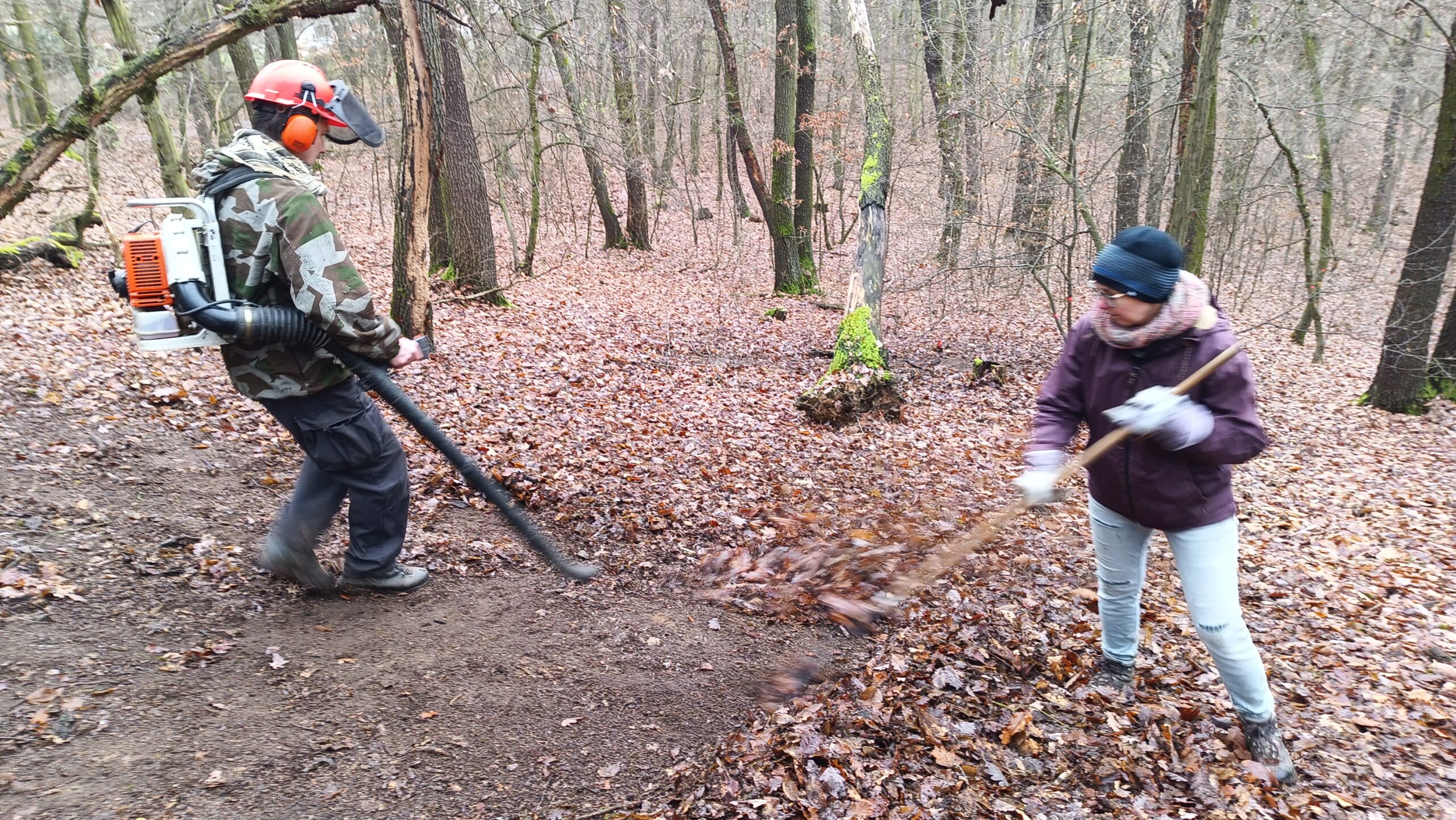
    Pilot testing modern technology for understorey biodiversity management in Prague’s forests.

    We are happy to announce that our new project has been funded by the Czech Science Foundation (GAČR). It focuses on the ongoing ruderalization of temperate oak forests – habitats that host some of the highest understorey plant diversity in the temperate zone, yet are increasingly threatened by drying and eutrophication.

    These changes arise from a combination of atmospheric pollution, natural succession following the abandonment of traditional management, and local site conditions such as nutrient availability linked to bedrock and the quality and quantity of tree litter.

    One of the project’s aims is the role of litter: how it shapes conditions on the forest floor, supports the spread of expansive species, and ultimately influences biodiversity loss. To tackle this, we will connect broad, landscape-scale analyses with rare long-term evidence from fifteen years of manipulative litter-removal experiments. We’re very happy to collaborate with colleagues from the Technical University in Zvolen, who run comparable long-term experiments and bring invaluable expertise to the project.

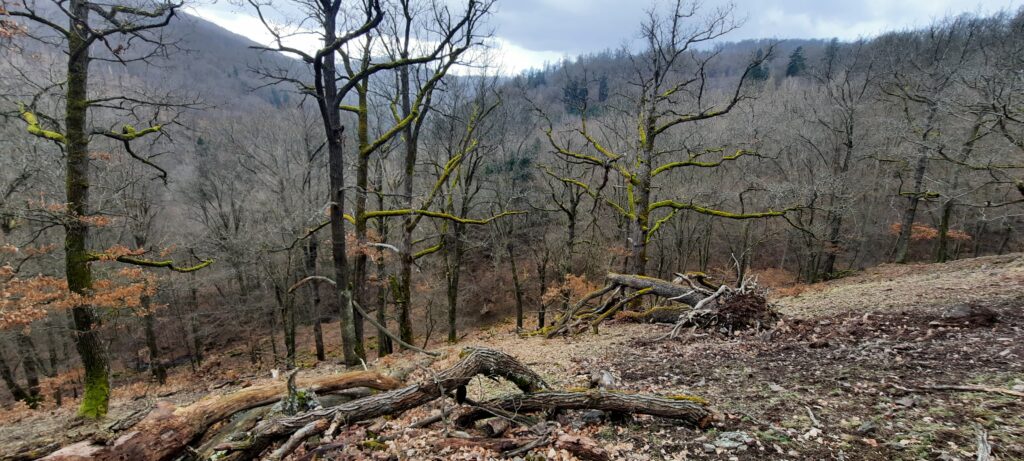
    Oak woodland in the Velká Pleš National Nature Reserve (Křivoklátsko).
  • 2025/2 Quarterly research highlights – advancing forest plant ecology

    2025/2 Quarterly research highlights – advancing forest plant ecology

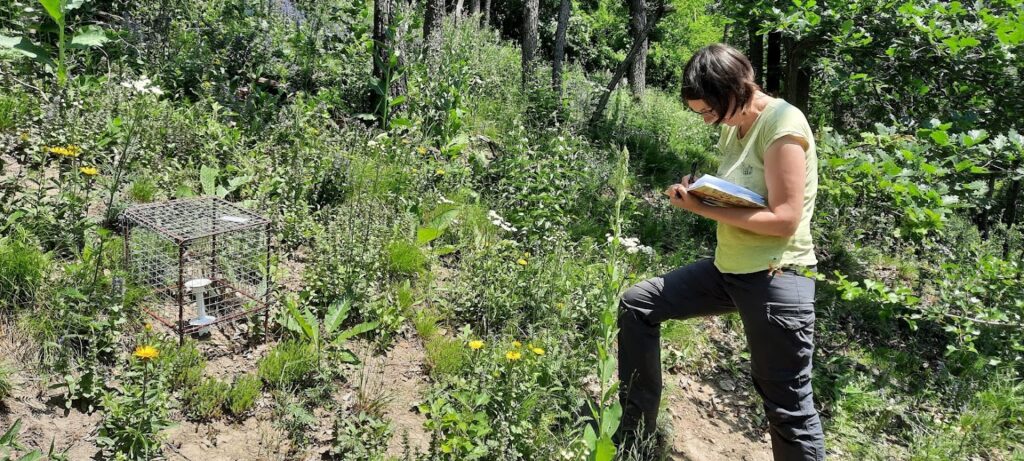
    Jana Doudová sampling vegetation in the thermophilous forest.

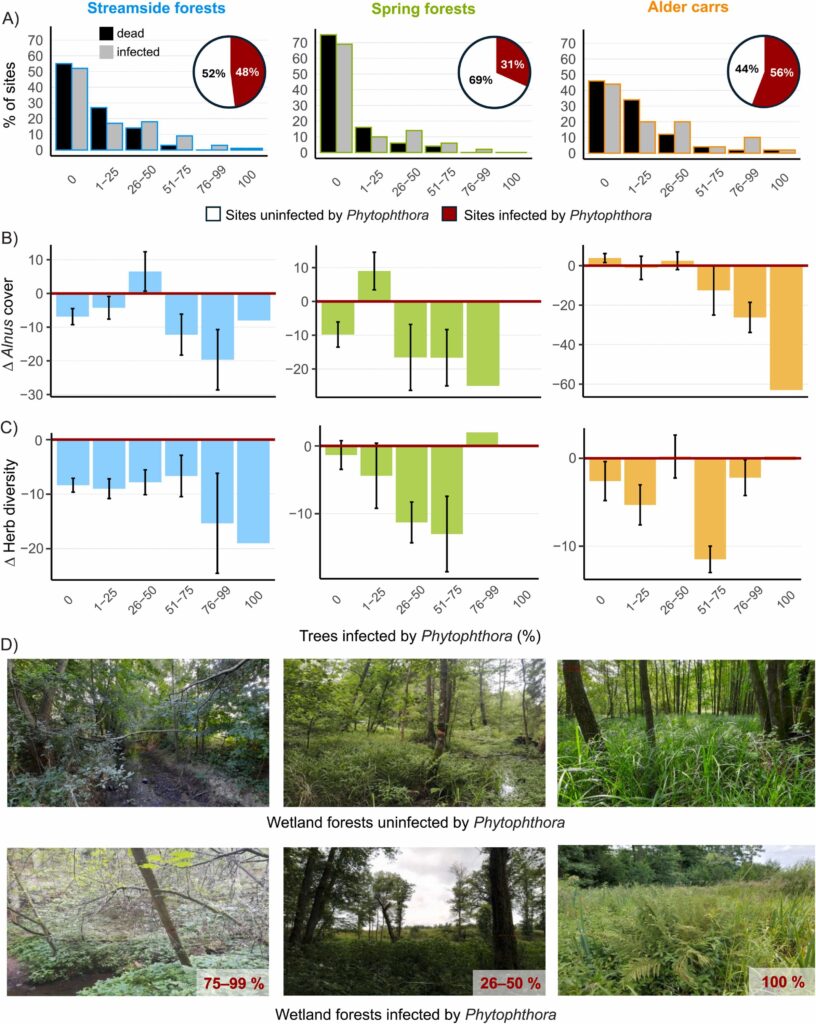
    We are excited to share the publication of three innovative articles that showcase our team’s cutting-edge research. Häusler et al. (2025) explore how managing light and nutrients can restore plant diversity in temperate woodlands, offering promising strategies for habitat recovery. Eusebio and Douda (2025) take a deep dive into ancient forests, using mid-Pliocene insights to predict future climate impacts, while Havrdová et al. (2025) reveal the challenges posed by an introduced pathogen and environmental change through a study of declining herbaceous species richness in wetland forests. Together, these studies underscore our commitment to advancing ecological understanding and developing sustainable conservation practices.

  • Article published – Introducing Rveg: An R Package for Phytosociological Data Digitizing

    Article published – Introducing Rveg: An R Package for Phytosociological Data Digitizing

    Abstract
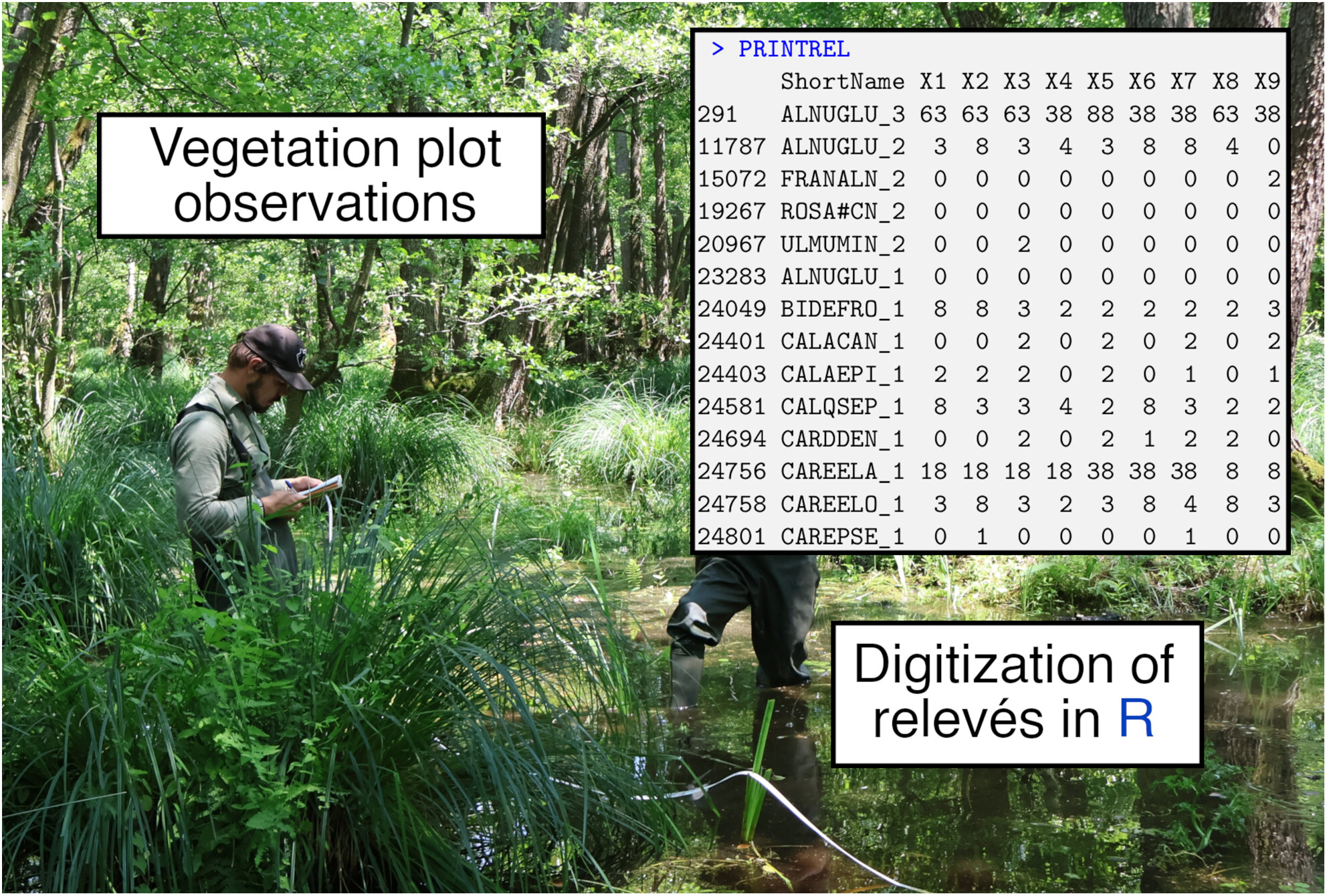
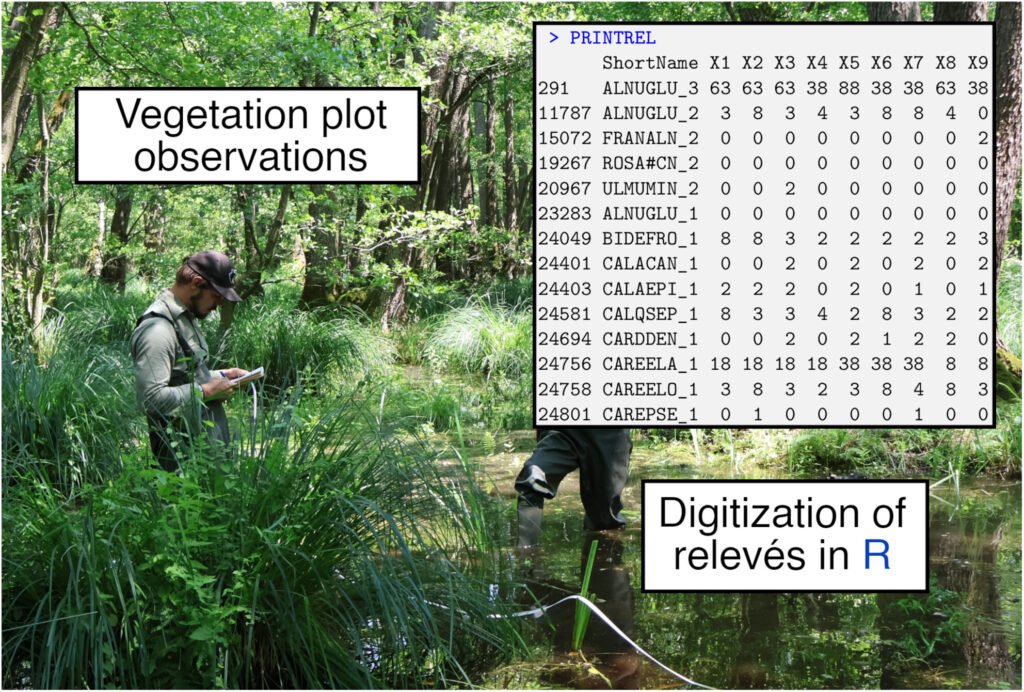
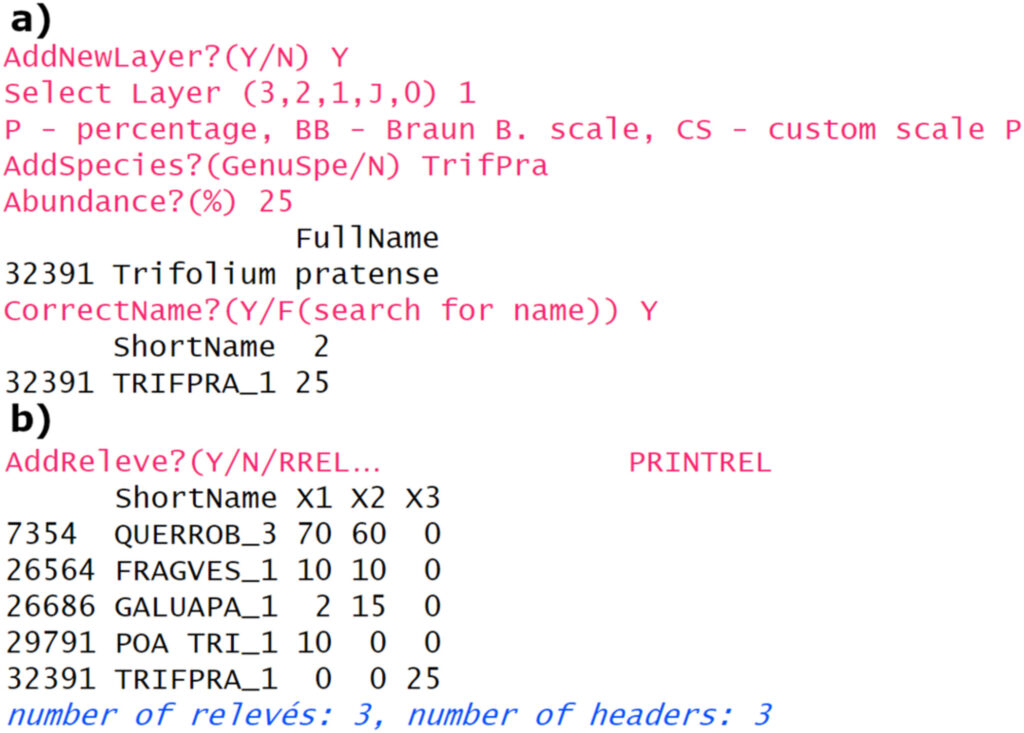
    Rveg is an open-source package extension for the R statistical programming language, designed to facilitate the efficient and straightforward digitization of phytosociological relevés (vegetation plot observations) into plain comma-separated values (CSV) format. This format is easily importable into the R environment for data editing and analysis. Rveg distinguishes itself through enhanced efficiency, simplicity, and accessibility compared to alternative software solutions.

    The report of the software for managing your databases of phytosociological relevés is published at Journal of Vegetation Science. You can create your database in the R environment and later on analyze data in R or export for the phytosociological software Juice.

    read the report at
    https://doi.org/10.1111/jvs.70012

    see the videos at
    https://plant-ecology-lab-czu.com/rveg/

    Minimal requirement for the Rveg to work is to have installed the R software. It can be downloaded from here. The Rveg then can be installed by running functions install.packages(“Rveg”), require(Rveg)

  • New Book on the Importance of Traditional Forest Practices in Nature Conservation

    New Book on the Importance of Traditional Forest Practices in Nature Conservation

    Kniha v pdf ke stažení zde 📄

    Traditional Forest Management and Biodiversity

    The book Traditional Forest Management and Biodiversity, created in collaboration with the Biology Centre of the Czech Academy of Sciences and the Institute of Botany of the Czech Academy of Sciences as part of the TAČR Kappa project (TO01000132), is now available online.

    This publication provides readers with insights into how forest habitats have historically changed under European conditions and how these changes have affected the organisms that depend on forests or individual trees for their survival. The book includes descriptions of traditional practices as well as brief guidelines for ecological habitat restoration.


    Tradiční hospodaření v lesích a biodiverzita

    Kniha Tradiční hospodaření v lesích a biodiverzita, která vznikla ve spolupráci s Biologickým centrem AV ČR a Botanickým ústavem AV ČR v rámci projektu TAČR Kappa (TO01000132), je nyní dostupná on-line. Publikace čtenářům přibližuje, jak se historicky proměnila lesní stanoviště v evropských podmínkách a jakým způsobem to ovlivnilo organismy, které lesy, případně stromy, potřebují ke svému životu. Kniha obsahuje popis tradičních praktik, ale i stručné návody pro ekologickou obnovu stanovišť.

  • PhD Thesis by A. Holeštová: Vegetation & Conservation in Floodplain Forests

    PhD Thesis by A. Holeštová: Vegetation & Conservation in Floodplain Forests

    Anežka Holeštová – PhD Thesis 📄

    Vegetation dynamics and biodiversity conservation in floodplain forests of regulated rivers

    The defense will take place at the Faculty of Environmental Sciences
    February 3, 2025, at 13:00

    Everyone is warmly invited.

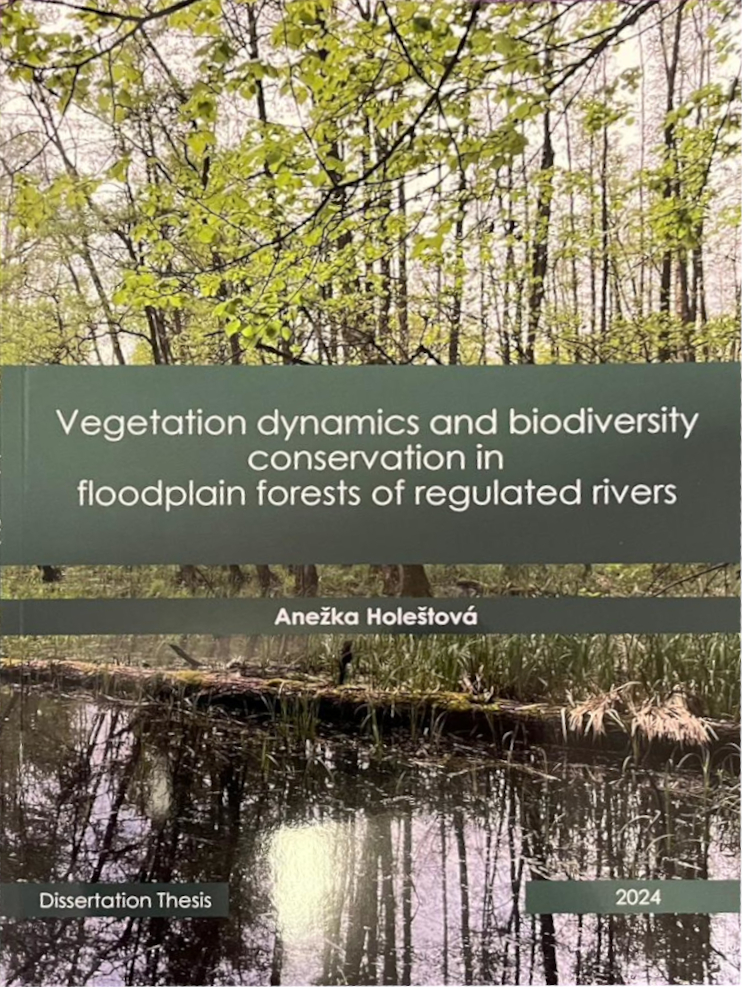
    Our group member, Anežka Holeštová, will defend her dissertation thesis on February 3rd at the Faculty of Environmental Sciences. The thesis is titled Vegetation Dynamics and Biodiversity Conservation in Floodplain Forests of Regulated Rivers. Everyone is warmly invited to attend.

    Abstract
    The thesis provides a complex insight into ongoing processes in Central European floodplain forests, one of the most threatened terrestrial ecosystems in the temperate zone. Floodplain forests are hotspots of biodiversity and provide many climate-related services of global importance. For these reasons, they have been identified as essential for climate change mitigation and key to human survival. The studies presented examine floodplain forests from a variety of perspectives, including investigating species dispersal patterns, describing long-term changes in plant community structure and identifying the driving factors behind them, and most importantly, suggesting an effective management strategy that would prevent the degradation of floodplain forests and restore their original biodiversity. A set of environmental factors other than climate change appeared to be more severe for floodplain forests, confirming their resistance to climate change. In particular, eutrophication and forest ageing were found to significantly affect both phenological guilds, i.e. spring and summer species, but in opposite directions. While summer species show negative effects of eutrophication and forest ageing, leading to their gradual decline, spring species show positive effects of these factors, manifested mainly in increasing abundance. A patchwork of different age classes, including oldgrowth forest stands, was found to ensure the conservation of both phenological guilds, however, in terms of site environmental conditions, which may dictate the use of other management measures, including traditional forest management practices and river revitalisation.


    Abstrakt
    Tato disertační práce poskytuje komplexní pohled na probíhající procesy v lužních lesích střední Evropy, jednoho z nejohroženějších terestrických ekosystémů v mírném pásu. Lužní lesy jsou považovány za hotspoty biodiverzity, přičemž zároveň poskytují mnoho s klimatem spojených služeb, a to globálního významu. Z těchto důvodů byly lužní lesy identifikovány jako ekosystémy zmírňující dopady klimatické změny, a proto klíčové pro přežití lidstva. Předložené studie zkoumají lužní lesy z různých perspektiv, zahrnující vzorce šíření rostlinných druhů podél vodních toků, popis dlouhodobých změn ve struktuře rostlinných společenstvech a identifikaci faktorů, které za těmito změnami stojí, a především návrh efektivní managementu, který by zabránil další degradaci lužních lesů a obnovil jejich původní biodiverzitu. Vliv environmentálních faktorů, jiných než klimatická změna, se ukázal být pro lužní lesy mnohem závažnější, což také potvrzuje rezistenci lužních lesů v tomto směru. Zejména eutrofizace a stárnutí lesů měly významný vliv na obě fenologické gildy, tedy jarní a letní druhy, ale v opačných směrech působení. Zatímco letní druhy vykazují negativní účinky eutrofizace a stárnutí lesů, což vede k jejich postupnému úbytku, jarní druhy vykazují pozitivní vliv těchto faktorů, projevující se hlavně v narůstající abundanci. Mozaika různých věkových tříd, zahrnující taktéž dlouhověké lesní porosty, byla shledána jako dostatečná pro zajištění ochrany obou fenologických gild, nicméně s ohledem na environmentální podmínky stanoviště, které mohou určovat použití dalších opatření.